
The southwest monsoon has always occupied a special place in India’s economic history. Even today, despite rapid industrialisation, technological progress and the emergence of a diversified economy, the arrival of the monsoon continues to influence...
The latest assessments of the World Bank, the International Monetary Fund and the Asian Development Bank suggest that the defining challenge of the coming decade is not merely sustaining GDP growth, but improving its quality,...
Wars are fought on battlefields, but their deepest economic consequences are often felt far beyond them. Long before military conflicts subside, commodity markets—including energy—become unsettled, shipping routes grow uncertain, and financial markets in India and...
India’s experience suggests that the future of money may lie not in replacing cash, but in redefining its role. Few developments in modern economics are as intriguing as India’s evolving monetary landscape. Conventional wisdom would...
Updating the foundation of India’s economic report card from the old 2011-12 framework to the updated 2022-23 base year is one of the most critical statistical resets we have seen lately. This comprehensive overhaul establishes...
Walking past the shuttered doors and “No Cash” signboards of automated teller machines (ATMs) across India over the past three months has triggered a collective, uneasy sense of vulnerability. During March, April, and May 2026,...
The Reserve Bank of India’s (RBI) Monetary Policy Committee, in its policy statement of 5 June 2026, retained the repo rate at 5.25 per cent while raising its inflation outlook and lowering growth projections in...
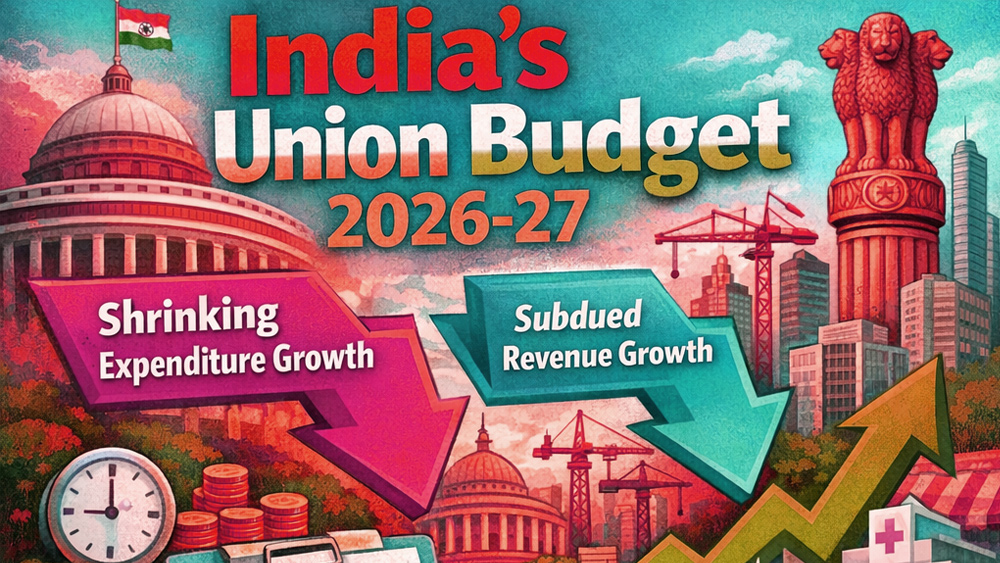
India’s Union Budget 2026–27 has been widely interpreted through its headline metrics—fiscal deficit targets, nominal growth projections, and assurances of consolidation with continuity. Yet a closer reading of the detailed fiscal architecture, particularly the “Budget...

India today presents an unusual contradiction. It is a nation that saves heavily, aspires boldly, and increasingly engages with formal finance—yet struggles to convert accumulated wealth into sustained productive investment. Household resources continue to gravitate...

Headline growth numbers often carry a quiet authority. They reassure, they stabilise expectations, and they shape public narrative. Yet, in macroeconomic analysis, comfort is not the same as clarity. An economy may continue to post...
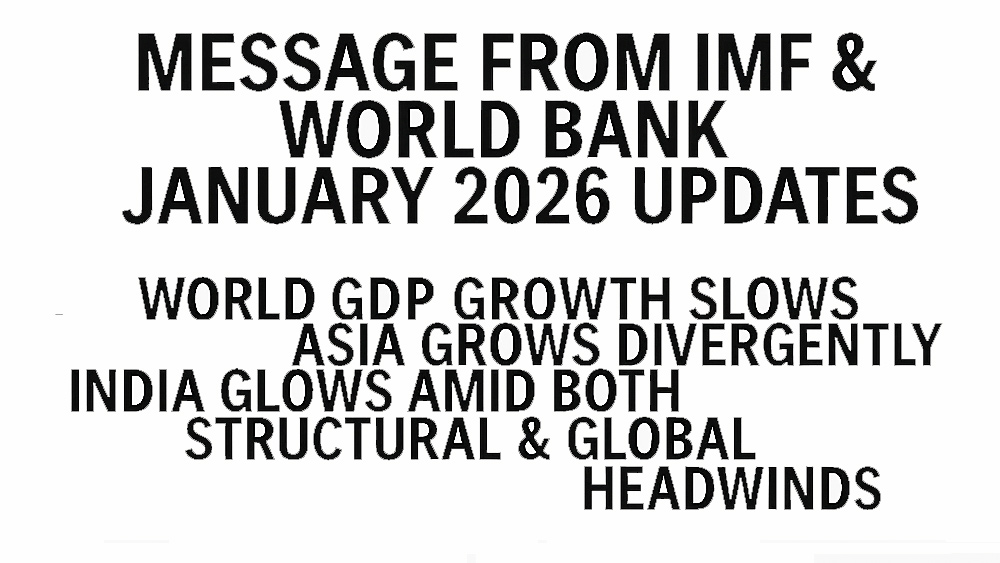
This article provides an assessment of the global economic outlook based on the International Monetary Fund’s World Economic Outlook (WEO) Update of19 January 2026 and the World Bank’s Global Economic Prospects update of 13 January...
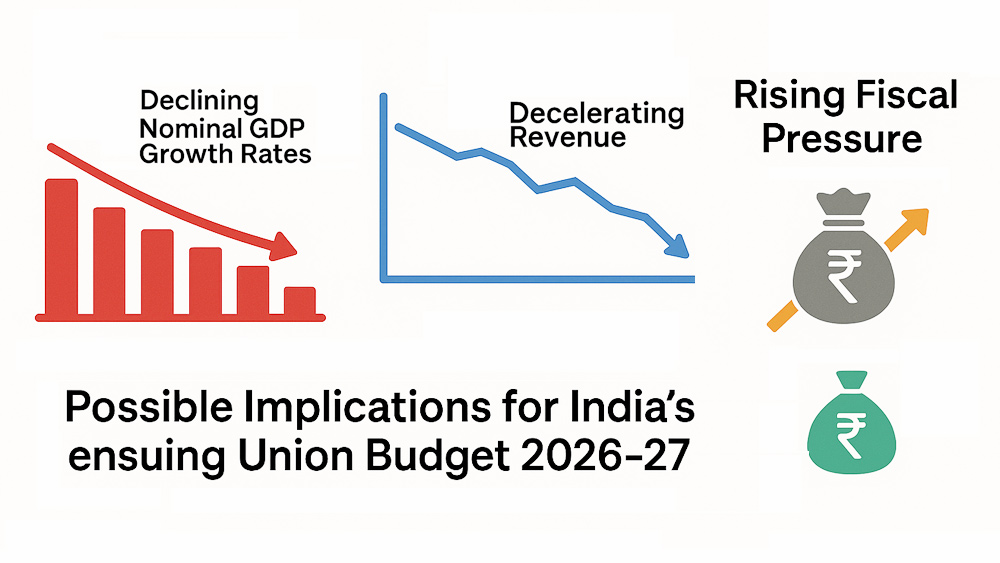
India’s fiscal strategy in recent years has thrived on a very favorable economic landscape. High nominal GDP growth—driven by post-pandemic recovery in india, rising inflation, and strong price effects—created a substantial revenue cushion. Even moderate...